
When an old dog has sunken eyes and seems dehydrated, this is a serious sign that their body is not maintaining proper fluid balance.
In senior dogs, dehydration can develop quickly and often points to an underlying health issue rather than a simple lack of water.
Table of Contents
Old Dog Sunken Eyes And Dehydration: Why It Happens
Sunken eyes in an old dog are most commonly a visible sign of dehydration, where fluid loss reduces the volume of tissues around the eyes and throughout the body. As fluid levels drop, the eyes can appear recessed, dull, or less full than usual.
In older dogs, dehydration is rarely just about not drinking enough—it is often caused by fluid loss, organ dysfunction, or illness that disrupts the body’s ability to retain and regulate water.
Because senior dogs have less physiological reserve, even mild dehydration can escalate quickly.
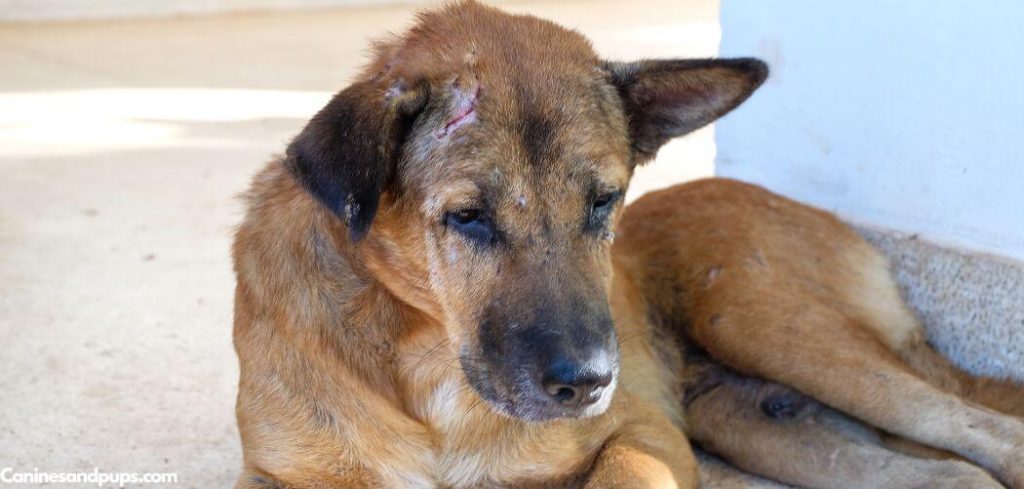
What Do Sunken Eyes Mean In A Dog?
Sunken eyes occur when fluid levels in the body drop significantly. The eyeballs sit within a cushion of fat and connective tissue. When dehydration develops, tissues lose volume, causing the eyes to appear recessed into the sockets.
In older dogs, sunken eyes are often accompanied by:
Dry or tacky gums
Skin that doesn’t snap back quickly when gently pinched
Lethargy
Loss of appetite
Weakness
Reduced urination
Because senior dogs have less physiological reserve, dehydration affects them more severely than younger dogs.
Read more: Old Dog Dehydrated (Signs and treatment)
How Does Dehydration Happen In Senior Dogs?
Dehydration occurs when fluid loss exceeds fluid intake. This imbalance can result from vomiting, diarrhea, increased urination, fever, or underlying organ dysfunction.
In older dogs, chronic illness often plays a central role.
An old dog with sunken eyes and dehydration is frequently dealing with more than simple water shortage—it often reflects systemic disease.
Old Dog Sunken Eyes And Dehydration: Symptoms
Along with sunken eyes, you may notice additional signs of dehydration or underlying illness.
Dry or sticky gums
Loss of skin elasticity (skin doesn’t snap back quickly)
Lethargy or weakness
Panting or rapid breathing
Reduced appetite
Dark or concentrated urine
Vomiting or diarrhea
Dull or dry coat
Increased heart rate
Old Dog Sunken Eyes And Dehydration: Common Causes
Chronic Kidney Disease
One of the most common causes of dehydration in older dogs is kidney disease. The kidneys are responsible for conserving water and filtering waste, but when they begin to fail, the body loses more fluid through urine than it can retain.
This leads to chronic dehydration, even if your dog is drinking more water. Over time, the fluid imbalance becomes more noticeable, and signs like sunken eyes, weight loss, and lethargy can develop.
Because kidney disease progresses gradually, dehydration may be one of the first visible warning signs that something is wrong.
Vomiting and Diarrhea
Any condition that causes fluid loss through vomiting or diarrhea can quickly lead to dehydration.
In older dogs, even short episodes can have a significant impact because their bodies cannot compensate as efficiently. Fluid loss reduces circulation and tissue hydration, which can cause the eyes to appear sunken.
If these symptoms persist, dehydration can become severe and require immediate intervention.
Read more: Old Dog Sickness and Diarrhea (Causes and treatment)
Reduced Water Intake
Some senior dogs simply drink less water due to reduced appetite, illness, or cognitive decline.
If your dog is not taking in enough fluids, dehydration can develop gradually. This is especially concerning if combined with other conditions such as dental pain, nausea, or weakness that discourage drinking.
In these cases, dehydration may not be immediately obvious until physical signs like sunken eyes appear.
Heat Stress or Overheating
Exposure to heat or inadequate cooling can cause excessive fluid loss through panting.
Older dogs are more sensitive to temperature changes and may struggle to regulate their body heat effectively.
If fluid loss from panting is not replaced, dehydration can develop quickly, leading to visible signs such as sunken eyes and lethargy.
Diabetes
Diabetes can cause increased urination, which leads to fluid loss and dehydration.
As the body attempts to eliminate excess glucose through urine, it pulls water along with it. Even if your dog is drinking more, they may still become dehydrated if fluid loss exceeds intake.
This imbalance can result in subtle but progressive signs, including changes in the eyes and overall condition.
Liver Disease
The liver plays a key role in fluid balance and metabolism. When it is not functioning properly, it can contribute to dehydration and systemic illness.
Dogs with liver disease may show signs such as lethargy, appetite changes, and altered hydration status.
Sunken eyes may develop as part of the broader decline in physical condition.
Medications
Certain medications, particularly diuretics or steroids, can increase fluid loss or alter hydration levels.
In older dogs, medication effects can be more pronounced, especially if multiple drugs are being used.
If dehydration develops after starting a new medication, it should be discussed with your veterinarian immediately.
Read more: Dog Prednisone and Thirst (Why it happens)
Severe Illness or Infection
Systemic infections or serious illness can disrupt fluid balance and reduce intake, leading to dehydration.
In these cases, dehydration is often part of a larger medical issue and may be accompanied by fever, lethargy, or loss of appetite.
Because the body is under stress, fluid needs increase while intake often decreases, worsening the imbalance.
Old Dog Sunken Eyes And Dehydration: What to Do
First, assess your dog’s hydration by checking their gums and skin elasticity. If the gums are dry or the skin does not return quickly when gently lifted, dehydration is likely present.
Encourage your dog to drink fresh water, but do not force large amounts at once, especially if they are nauseous.
Keep your dog in a cool, calm environment to reduce further fluid loss.
Observe for additional symptoms such as vomiting, diarrhea, or lethargy, as these can indicate a more serious underlying problem.
Because dehydration in older dogs can worsen quickly, monitoring alone is often not enough.
When to Call or Visit Your Vet
Dehydration with visible signs like sunken eyes should always be taken seriously in an old dog.
Contact your veterinarian immediately if your dog appears weak, refuses water, or shows persistent vomiting or diarrhea.
Seek urgent care if your dog is extremely lethargic, has very dry gums, or shows signs of collapse.
Even mild dehydration in senior dogs warrants a veterinary check, as it is often linked to an underlying condition.
Old Dog Sunken Eyes And Dehydration: Treatment
Veterinary treatment focuses on restoring hydration and identifying the underlying cause.
Your vet may administer fluids either under the skin or intravenously, depending on the severity. This helps quickly restore fluid balance and improve circulation.
Diagnostic tests such as blood work and urine analysis are often performed to determine the cause of dehydration.
Treatment will then target the underlying issue, whether it is kidney disease, infection, or another condition. Ongoing management may be required in chronic cases.
Key Takeaway
An old dog with sunken eyes and dehydration is a serious sign that your dog’s body is not maintaining proper fluid balance. It is often linked to underlying illness rather than simple lack of water.
Because dehydration can progress quickly in older dogs, early recognition and veterinary care are essential.
Immediate treatment not only restores hydration but can also uncover and manage the root cause, helping your dog stay comfortable and stable.


